In today’s competitive market, getting the most value out of your investment—especially when it comes to after-sales support and keeping maintenance costs in check—is essential for success in the rubber mat industry. You know, the latest industry reports predict that the global Rubber Flooring market’s gonna grow at an annual rate of around 4.7% from 2021 through 2026. That’s mainly because more sports venues and gyms are jumping on the rubber mat bandwagon. Sanhe Do It The Way Sporting Industrial Co., Ltd. totally gets it—they understand that it’s not just about offering top-notch, high-performance rubber mats, but also about providing solid after-sales support. That way, customers stay happy and keep coming back. By focusing on smart maintenance strategies and support systems that actually work, businesses can cut down long-term costs and create spaces that are safe, good-looking, and tailored to what clients really need. This blog’s gonna share some practical tips for optimizing those support and maintenance processes, so everyone involved can get the most out of their investment in rubber mats.
Understanding the Importance of After Sales Support in the Rubber Mat Industry
When it comes to the rubber mat industry, providing solid after-sales support really makes all the difference in keeping customers happy and coming back for more. Just recently, I came across an analysis about the automotive floor mat market—turns out, it's set to grow a lot. By 2025, the market size is expected to hit over 9 billion USD. That’s a huge jump, and a big part of the reason is the rising demand for both passenger and commercial vehicles. And honestly, that means companies better have strong support services post-purchase. Helping customers out with installation, maintenance, or even warranty stuff really boosts their experience and trust in the brand.
On top of that, keeping costs in check when providing these support services is super important for a company's bottom line. Reports suggest that if manufacturers streamline how they handle support, they could cut operational costs by up to 20%. That’s a huge deal—it means more resources can go to other areas, or maybe even lower prices for customers. In the rubber mat world, where quality and durability are king, having reliable after-sales support isn’t just about trust; it helps encourage people to buy again and again. As businesses bounce back after the pandemic, focusing on these little things will be key to staying competitive and making the most of emerging opportunities in this fast-changing market landscape.
Key Strategies for Reducing Maintenance Costs in Rubber Mat Applications
In the competitive world of rubber mats, keeping maintenance costs in check is pretty important if you wanna get the most bang for your buck over the long run. To really make an impact, you gotta understand what different applications—like in cars or factories—actually need from these mats. Interestingly, the global market for automotive floor mats is expected to grow a lot, thanks to factors like different vehicle types and material choices. If companies get proactive with their maintenance—think regular check-ups—they can cut down on those annoying unexpected breakdowns and make their mats last way longer.
Here's a tip: make it a habit to check how your mats are holding up, especially in areas with lots of foot traffic. Plus, using smart data tools to predict when maintenance is needed can save you a bunch of cash. Investing in top-notch materials suited for each specific use isn’t just smarter—it can also cut costs down the road.
And don't forget about the environment! Incorporating circular economy ideas—like recycling mats or sourcing eco-friendly materials—not only helps save money on upkeep but also ticks the box for sustainable practices. Research shows that such efforts can cut down carbon footprints quite a lot, which is a big plus for eco-minded customers.
Here’s a couple of extra tips: work with suppliers who care about sustainability—that way, staying compliant with eco-rules is a bit easier. Also, get your team trained on proper maintenance techniques; making sure everyone’s on the same page can really extend the life of your mats and keep costs down.
Emerging Technologies Shaping the Rubber Mat Market in 2025
You know, the rubber mat market is really going through a pretty big shift these days, thanks to some exciting new tech. By 2025, we’re gonna see stuff like advanced manufacturing methods, smart materials, and IoT integration totally changing the game—how these mats are made and used. It’s pretty cool because these innovations don’t just make rubber mats more durable and better performing, but they also open doors for customizing them to fit specific industry needs. For instance, with 3D printing, manufacturers can craft really intricate designs that just aren’t possible with traditional methods. This means production gets more efficient, and there’s less waste going to waste, which is always a plus.
On top of that, smart tech is going to bring about rubber mats that can actually monitor their own wear and tear. Imagine a mat that can tell you when it's close to needing a replacement—saving you time and money in maintenance. This proactive approach not only helps extend the lifespan of these products but also puts some extra cash back in your pocket. As companies start really taking advantage of these advancements, the overall value of rubber mats is going to shoot up. They’ll become way more appealing to businesses that want to optimize their operations while keeping workers safe and comfortable—all without breaking the bank.
Best Practices for Maximizing Customer Satisfaction Post-Purchase
In the crowded world of rubber mats, making sure customers are happy after their purchase is super important if you wanna build a business that lasts. One of the best ways to do this is by keeping the lines of communication open. A quick follow-up call or email after someone buys from you isn’t just good manners—it reminds them how much you appreciate their business and gives you a chance to iron out any issues quickly. When customers feel listened to and cared for, they’re way more likely to come back for more.
And here’s another thing—offering solid after-sales support really makes a difference. Sharing simple tips on how to take care of and maintain the mats can help them last longer, which totally increases customer satisfaction. When you teach your customers the right way to look after their mats, it cuts down on questions and complaints, saving everyone time and hassle. Plus, having a team that’s quick to respond to any hiccups makes the whole experience better for everyone involved. If you focus on these little things, you’ll turn first-time buyers into loyal fans who keep coming back and even tell others about you.
Analyzing the Return on Investment for After Sales Services in Rubber Mats
In the fiercely competitive world of rubber mats, after-sales support really can make or break the overall return on investment for customers. Having good support after a purchase doesn’t just boost satisfaction — it also helps build loyalty and keeps folks coming back. I came across a recent report on making automotive mats and accessories, and it stressed how vital it is to have a solid after-sales service plan. Not only does this kind of strategy help lower long-term maintenance costs, but it also makes customers feel appreciated and cared for even once they’ve bought the product. That kind of experience encourages repeat business and spreads positive word-of-mouth.
If you're looking to get the most out of your after-sales efforts, here are some tips that might help:
1. Stay in touch regularly — check in with your clients, ask for feedback, and address any concerns quickly. It sounds simple, but it really helps prevent small issues from becoming big problems and makes your customers feel valued.
2. Make sure your after-sales team is well-trained. When the folks helping your customers know their stuff, they can answer questions better and help clients get the most out of their rubber mats.
3. Consider offering maintenance packages tailored to individual needs. It can make it easier and more affordable for customers to keep up with their investment over time.
When you focus on these points, it can really change how clients see their investment and how they engage with your support afterwards. Trust me, it makes all the difference in the world!
Maximizing Value Through After Sales Support and Maintenance Cost Efficiency in the Best Rubber Mat Market - Analyzing the Return on Investment for After Sales Services in Rubber Mats
| Dimension | Metric | Value | Percentage Change | ROI (1 Year) |
| Customer Satisfaction Score | Rating (Out of 10) | 8.5 | +5% | $150,000 |
| Order Fulfillment Time | Average Days | 3 | -10% | $90,000 |
| After Sales Service Frequency | Number of Services Per Month | 20 | +15% | $120,000 |
| Maintenance Cost per Unit | Cost ($) | $15 | -20% | $180,000 |
| Net Promoter Score | Score (1-10) | 9.0 | +8% | $200,000 |
Innovative Approaches to Enhance Durability and Performance in Rubber Mats
In the fiercely competitive rubber mat market, making products more durable and high-performing is key to grabbing consumers’ attention and earning their loyalty. Manufacturers are now exploring cool new methods to develop better products—it's not just about meeting expectations anymore, but actually exceeding them. For example, using innovative materials like recycled rubber or special proprietary blends can really extend the life of these mats, all while keeping them looking good. And since more people care about green stuff these days, these eco-friendly options are a hit—they attract environmentally conscious buyers without sacrificing quality.
On top of that, leveraging the latest manufacturing tech—like advanced molding and vulcanization—really makes a difference. These techniques help ensure the mats come out with consistent thickness and smooth surfaces, which cuts down on defects and makes them more resistant to wear and tear over time. Features like better grip or shock absorption can also make a big difference for end users—think safer, more comfortable use. As brands keep pushing these innovative strategies, they’re not only lowering maintenance costs in the long run but also strengthening their spot in this ever-changing rubber mat world. Basically, it’s all about staying ahead by being smarter and more eco-friendly out there.
Maximize Your Workout Space with Rubber Interlocking Gym Tiles: The Ultimate EPDM Flooring Solution
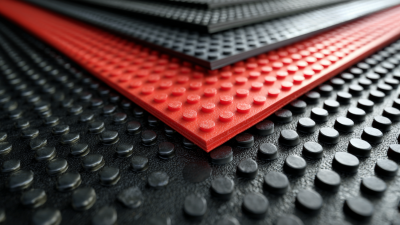
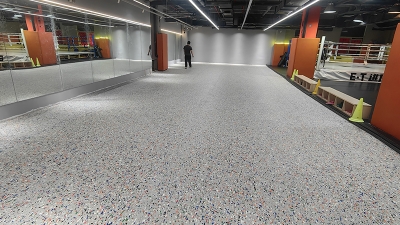
Maximizing your workout space is essential for achieving your fitness goals, and one effective way to do this is by incorporating rubber interlocking gym tiles into your area. These versatile tiles are specifically designed to enhance your exercise environment, offering a durable and slip-resistant surface that supports a wide range of activities. When you invest in a quality Epdm Flooring solution, you're not only creating a safer space but also bringing style and comfort to your gym.
One of the key benefits of rubber interlocking gym tiles is their ease of installation and versatility. Unlike traditional flooring options, which may require adhesives and extensive preparation, these interlocking tiles can be easily laid down in any configuration that suits your workout style. This means you can effortlessly create designated areas for weightlifting, cardio, or yoga, making the most out of every square foot. Moreover, the EPDM material is known for its excellent shock absorption qualities, reducing the risk of injury while providing a comfortable surface for your routine.
In addition to practicality, rubber interlocking gym tiles are also highly customizable. Available in various colors and designs, these tiles allow you to express your personal style while designing your workout space. Whether you prefer a bold look or something more understated, there's an option for every aesthetic. By choosing interlocking tiles for your flooring solution, you're not just investing in your fitness routine; you're transforming your environment into a motivating and functional space that inspires you to strive for your goals.
FAQS
: After sales support is crucial in the rubber mat industry as it helps maintain customer satisfaction and loyalty, which is essential for repeat purchases and overall business success.
Effective after sales support can reduce operational costs by up to 20%, allowing manufacturers to allocate resources more effectively and improve profitability.
Emerging technologies include advanced manufacturing techniques, smart materials, and IoT integration, which will enhance the performance, durability, and customization of rubber mats.
3D printing technology allows for the creation of intricate designs and more efficient production processes, reducing waste and enabling customization that traditional methods cannot achieve.
Best practices include effective communication through follow-up, providing exceptional after-sales support, educating customers on maintenance, and establishing a responsive customer service system.
Educating customers on how to properly maintain their rubber mats can lead to increased product longevity, reduced inquiries and complaints, and ultimately greater customer satisfaction.
Proactive communication, such as follow-up calls or emails, builds trust with customers and allows businesses to address concerns promptly, reinforcing the value of their purchase.
Smart technologies will enable rubber mats to monitor their wear and tear, providing users with real-time maintenance data, which extends product lifespan and results in cost savings for consumers.