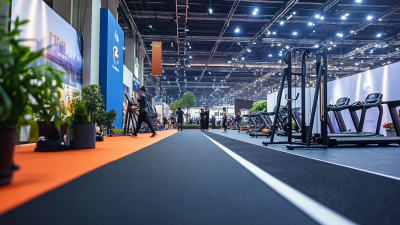
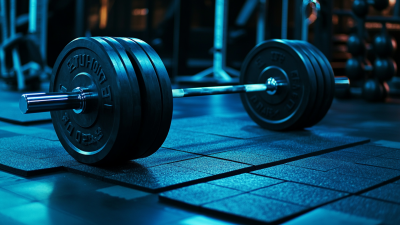
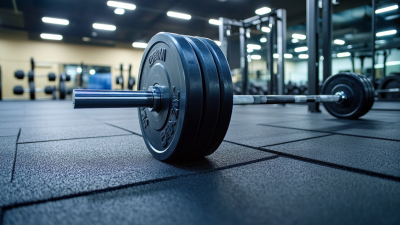
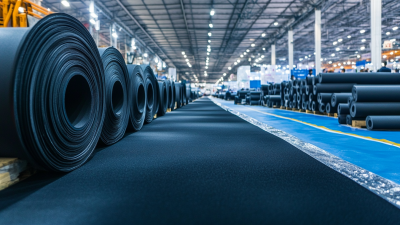
Hey there! In today's fast-paced fitness and sports world, picking the right gear is super important for both boosting your performance and making sure you stay safe. One item that really stands out is the Weight Lifting Mats – they’re a game changer! These mats provide a solid and secure surface for athletes, which can really help cut down on injuries during those intense workouts.  Did you know that the fitness equipment market is expected to hit a whopping $12.31 billion by 2025? That’s a huge jump, and it shows just how much people are focusing on creating top-notch training spaces that look great and work well. Sanhe Do It The Way Sporting Industrial Co., Ltd. is leading the charge in this change, with a goal to create innovative and high-performance training environments. We’re all about quality and safety, which is why FITFLORhas become a reliable partner for sports venues, training facilities, and Gyms around the world. We’re here to help them thrive in this competitive game.
Understanding the Importance of Weight Lifting Mats for Home Gyms
So, you're thinking about setting up a home gym? That's awesome! But one thing that people often overlook is getting a good weight lifting mat. Seriously, these mats are way more than just something to protect your floors. They really kick up your workout game! Weight lifting mats absorb some of that hard impact, keep the noise down, and give you a solid base when you're lifting heavy. Trust me, when you're pushing those weights, a sturdy mat keeps you from slipping around, which is super important for both safety and performance.
And let’s be real, nobody wants to deal with damaged floors because of dropped weights—it can get pretty expensive to fix or replace them. Plus, these mats do wonders for your equipment, too; they help prevent wear and tear, which means your weights and gym floor last longer. Another perk? A good lifting surface makes it way more comfortable, so you can really zone in on your form and technique. All in all, if you’re serious about building a home gym that’s functional and safe, investing in a decent weight lifting mat is definitely a no-brainer.
Key Factors to Consider When Choosing Weight Lifting Mats
When selecting the best weight lifting mats, there are several key factors to consider that can significantly enhance your workout experience. First and foremost, the material of the mats plays a crucial role. High-density foam or Rubber Mats are ideal for absorbing impact and reducing noise, which is essential in a home gym or shared space. The thickness of the mat is another important aspect; a thicker mat provides better cushioning for heavy lifts, while a thinner option may suit lighter exercises or those with limited space.
Another critical factor is the size of the mats. Ensuring that the mat is large enough to accommodate your lifting area can prevent slip hazards and provide ample room for movement. Additionally, consider the mat's durability and maintenance requirements. Heavy-duty mats that resist wear and are easy to clean will provide long-term value. Finally, traction is vital for safety; mats with a non-slip surface will help keep you stable during lifts, reducing the risk of injury. By keeping these factors in mind, you can choose weight lifting mats that best suit your fitness goals and environment.
The Complete Handbook for Choosing the Best Weight Lifting Mats
| Feature | Description | Importance | Recommended Material |
| Thickness | Ideal thickness for shock absorption and support | High | PVC, Rubber |
| Size | Dimensions that fit your workout area and activities | Medium | Varied sizes available |
| Durability | Resistance to wear, tear, and high impact | High | High-quality rubber, Foam |
| Slip Resistance | Features that prevent slipping during workouts | High | Textured surface, Rubber |
| Ease of Cleaning | Materials that are easy to wipe down and maintain | Medium | PVC |
| Portability | Weight and foldability for easy transport | Low | Lightweight foam |
Material Breakdown: Comparing Rubber, Foam, and Vinyl Mats
So, when you're on the hunt for the best weight lifting mat, it’s super important to know what you’re getting into when it comes to materials like rubber, foam, and vinyl. Each type has its own perks that can really make a difference for gym lovers like us! According to a report from the National Strength and Conditioning Association, rubber mats are basically the go-to in commercial gyms because they’re super durable and do a great job of soaking up shock. Seriously, they can handle heavy weights and those high-impact moves, which makes them perfect for dedicated lifters. Plus, rubber mats give you awesome traction, so you won’t have to worry about slipping while you’re in the zone.
Now, if you’re thinking about setting up a home gym, foam mats could be the way to go. They’re usually lighter and a breeze to install! Research from the Journal of Sports Science even shows that foam mats can help ease joint strain. They provide a comfy surface that’s just right for lighter weight sessions and bodyweight workouts. But, just a heads-up: foam mats aren’t as tough as rubber ones, so they might wear out faster, especially if you’re putting heavy weights on them.
Then there’s vinyl mats, which strike a nice balance between durability and comfort. They’re often waterproof and super easy to clean, which is great if you want to keep your workout space tidy. A study from the International Journal of Exercise Science mentions that vinyl mats offer good cushioning without skimping on stability during lifts. This makes them a solid pick for versatile workout areas. So, think about what works best for your workouts and space before you decide!
The Complete Handbook for Choosing the Best Weight Lifting Mats
Evaluating Thickness and Density for Optimal Shock Absorption
So, when you're on the hunt for the perfect weight lifting mat, there are a couple of things you really need to consider: thickness and density. These guys play a huge role in how well the mat absorbs shock. You'll find mats available in all sorts of thicknesses, ranging anywhere from half an inch to a few inches thick. If you're lifting heavy or going all out with high-intensity workouts, a thicker mat is definitely the way to go. For example, Olympic lifters usually opt for mats that are at least one inch thick. That extra cushion really helps when weights are dropped, cutting down on noise and keeping your floors safe from any damage.
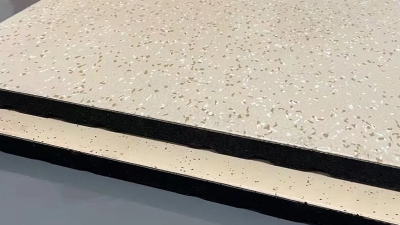
Now, let’s talk about density — it’s another big deal that affects how well the mat performs and how long it lasts. Higher-density mats are built to take a beating from those repeated impacts without losing their shape over time. For serious weight lifters, it’s often recommended to go for a mat with a density of at least 60 kg/m³. This strikes a nice balance between being supportive and comfy. Plus, a good density adds some stability during your lifts, so you don't have to worry about the mat shifting or compressing way too much under your feet. By looking closely at both thickness and density, gym lovers can pick out a mat that not only amps up their workout experience but also keeps their floors and gear in good shape.
Best Practices for Maintenance and Longevity of Weight Lifting Mats
When it comes to maintaining weight lifting mats, proper care can significantly extend their lifespan and ensure a safe training environment. The American Council on Exercise (ACE)suggests that regular cleaning and maintenance can increase the durability of Gym Flooring by up to40%. To keep your mats in top condition, it is essential to clean them after each use to prevent the accumulation of sweat, dirt, and bacteria. Using a gentle soap solution and soft cloth can effectively disinfect surfaces without damaging the material.
Tip: Consider investing in mats made from high-density foam or rubber, as these materials tend to be more durable and resistant to wear. Additionally, placing rubber mats beneath weightlifting stations can absorb shock and reduce noise, further enhancing the longevity of both mats and equipment.
Regular inspections are also crucial. Check for any signs of wear and tear, such as cracks or tears, which can pose safety risks during workouts. By addressing these issues early on, you can avoid costly replacements and ensure a safe, aesthetically pleasing training environment.
Tip: Rotate mats periodically to ensure even wear and tear, and consider using edge ramps to prevent tripping hazards.
Industry Insights: How Weight Lifting Mats Enhance Performance and Safety
Alright, let’s talk about picking the right weightlifting mat. Honestly, it can really boost your performance and keep you safe while you’re working out. These mats aren’t just any ordinary pieces of gear; they’re specially made to give you a cushy surface that helps soak up the impact. That means you're less likely to get hurt and you’re also protecting your floors from all that heavy lifting. With Shock-absorbing features, these mats help you stay steady while lifting, which lets you zero in on your form without stressing over slipping or falling.
And it gets better! Weightlifting mats really help keep the noise down, which is super handy, especially if you're working out in a shared space like a gym or even at home. They usually have a textured surface that gives you an awesome grip, so your weights and equipment aren't sliding around, which is a total safety win. When you've got the right mat under you, it’s like your confidence gets a little boost too, making your training sessions not only safer but also way more effective.
Enhancing Workout Space: The Impact of Quality Flooring on Strength Training Performance and Safety
When it comes to strength training, the quality of your workout space can significantly influence both performance and safety. One of the most crucial elements of this environment is the flooring. The right flooring not only provides a stable surface for lifting weights but also ensures that you can perform movements safely without the risk of injury. Rubber tiles, such as the Rubber Tile Max Style, are an excellent choice for strength training areas and free weight zones.
The Rubber Tile Max Style features a 2mm surface layer made of virgin rubber, designed specifically for high-impact routines. This top layer, combined with a base of 16 mesh rubber tire granules, provides superior shock absorption, which is essential when you’re lifting heavy weights. The advanced HT&HP technology used in its fabrication ensures that these tiles can withstand not only heavy loads but also the repeated force that comes with dynamic exercises. With their strong support strength and impressive friction properties, these rubber tiles help mitigate the risk of slips and falls, creating a safer workout environment.
Moreover, noise reduction is an often-overlooked benefit of quality flooring. As strength training typically involves dropping weights and high impact movements, having a flooring solution that minimizes noise can significantly enhance the overall training experience. The Rubber Tile Max Style not only absorbs the shock from heavy lifting but also dampens sound, allowing you to focus on your performance without disturbing others. Investing in high-quality flooring is a strategic move to elevate your strength training routine while prioritizing safety and comfort.
FAQS
: Weight lifting mats absorb impact, reduce noise, and provide stability during heavy lifts, enhancing safety and performance while protecting flooring from damage.
Rubber mats are durable, offer excellent shock absorption, provide traction to reduce slipping, and are suitable for heavy weights and high-impact activities.
Foam mats are lighter and easier to install, making them suitable for home gyms. They offer cushioned support to reduce joint strain but may wear out faster under heavy weights.
Vinyl mats balance durability and comfort, are waterproof, easy to clean, and provide sufficient cushioning without compromising lift stability, making them great for multi-purpose workout areas.
Yes, weight lifting mats prevent wear and tear on equipment, allowing for a longer lifespan for both weights and the gym floor.
Consider the material (rubber, foam, vinyl), the type of workouts you’ll be doing, weight limits, and whether you need features like waterproofing or ease of cleaning.